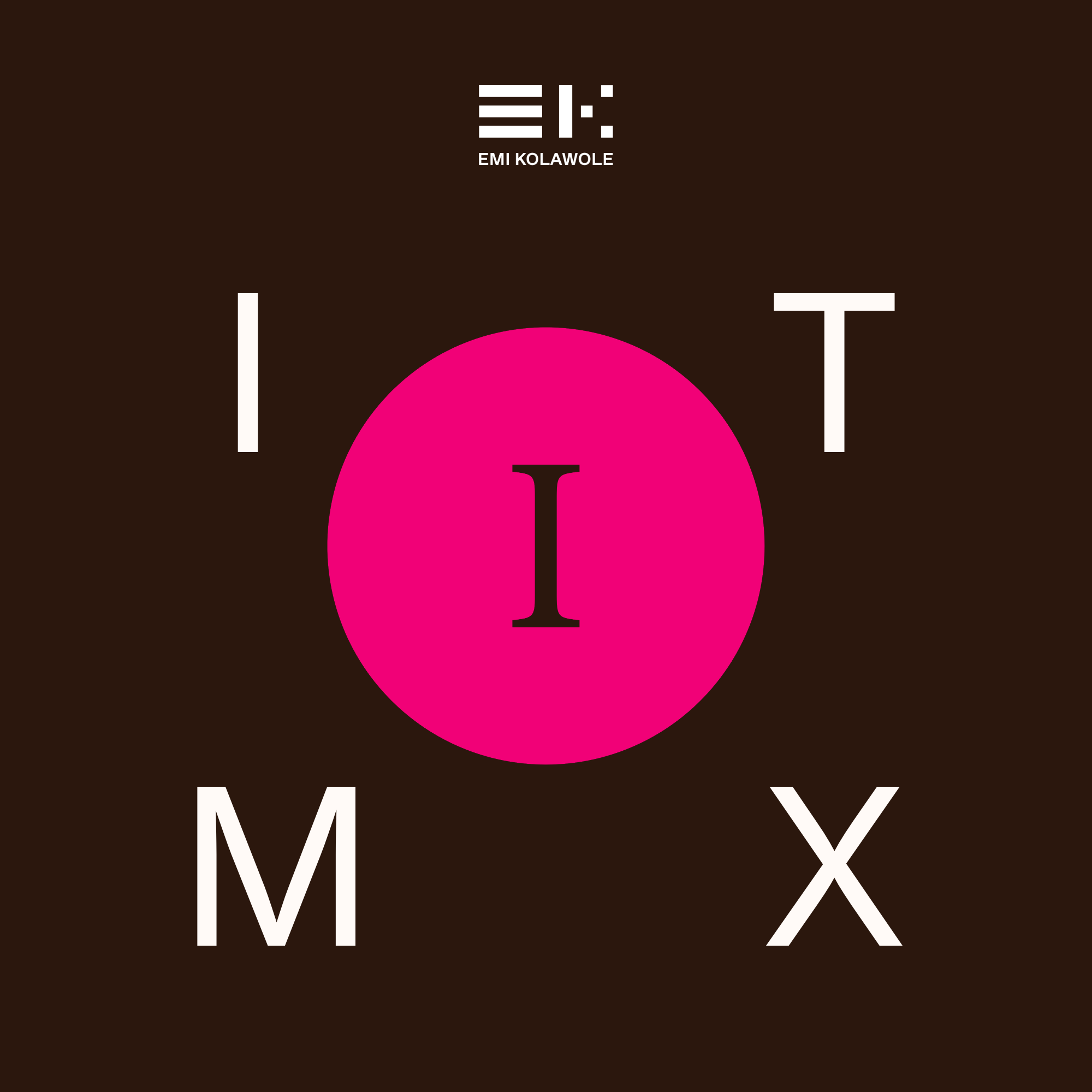


Remember the days when a “T-shaped” person was considered the most in-demand type of talent? Ideally, the leg of the T extended into a technical field like computer science or mathematics. The cap stretched across creativity, empathy, flexibility – the "soft skills" that made it possible for you to be dropped into a situation with other people and navigate well. The “T” in this case, like the “I” the “X” and the “M”-shaped talent models were all san-serif. In other words, they were in Arial, not Times New Roman. New technologies are inviting a style change.
This weekend, I spent a good part of Saturday rebuilding our company’s user interface. Code I would have spent years learning to write, I can generate with large language models. A rebuild that likely would have taken months and a team of three with me sitting in a product seat, took me a few hours, a series of prompts, and a small pile of money for generation credits. The years I spent worrying that the leg of the “T” in my talent profile wasn’t technical, in retrospect, look like a complete waste of time and energy.
After years of watching LLMs churn on prompts (going back before OpenAI launched ChatGPT to the public), I’m pretty solidly convinced that the kind of talent needed in the coming years won't be T, M, or X shaped – at least not in the san-serif form. They’re going to be Serif-I shaped. They will have a broad set of skills at the top that let them interact with other people well, they’ll have a bank of rich technical knowledge, but they will also have a set of skills that extend below that technical expertise – the skills that make them able to interact with generative models effectively.
The base of the Serif-I talent will consist of judgement, a well-defined set of personal values, well-understood personal beliefs they can clearly articulate, and a well-defined point of view. All of these skills will be necessary for getting the most out of generative models and for designing effective automation workflows. The skills at the top bar of the "I" won’t change. They will continue to be the skills that make them effective at working with other people. In fact, I think these skills are becoming more important over time, not less. The stem of the “I” will say the same; it's the technical know-how someone brings at the greatest depth, but the base will be what they bring to the machine – the ability to know when the machine’s output is right and when it’s wrong, when it has reached the end of its training data, and when it is putting the user (and their organization) at risk.
If someone is X shaped, they will still need the top and bottom bar, making them more like a roman numeral 10. T-shaped people will no longer be sufficient and san-serif I-shaped people won’t bring enough to the table either. The old letter-based model of talent definition has to change with the tools talent is being called on to use, but the change isn’t to the letters so much as to their style.